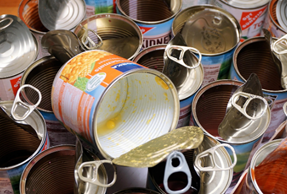
Heavy rain can quickly move litter, sediment and pollutants from Adelaide streets into the stormwater network and, eventually, into the River Torrens. On reactive or clay-rich soils, fast surface flows can also increase erosion and transport fine soil particles downstream. Can collection and can recycling Adelaide provide a simple first step in reducing the amount of aluminium and other litter available to be carried into drains, creeks and waterways. For Adelaide communities, effective collection supports broader can collection and recycling, and urban runoff and soil protection by keeping recoverable material out of streets, roadside verges, and drainage pathways.
How Urban Runoff Affects Adelaide Soils and Waterways
Adelaide’s urban environment contains extensive roads, footpaths, roofs and other hard surfaces. During intense rainfall, these surfaces generate runoff that can pick up litter, oils, sediments and other pollutants before entering stormwater drains. The South Australian Environment Protection Authority identifies stormwater as an important pathway for pollutants reaching creeks, rivers and the marine environment.
The River Torrens catchment is particularly relevant because a substantial urban drainage network directs water toward the river system. Once litter and sediment enter this pathway, removing them becomes harder and often requires trash racks, gross pollutant traps, or other treatment infrastructure.
Clay soils add another consideration. South Australia has several clay and texture-contrast soil groups, while poorly structured or compacted subsoils can have reduced infiltration and greater runoff and erosion risk.
Why Can Collection Supports Soil Protection
Aluminium cans are valuable recyclable materials, but discarded cans can contribute to the wider litter load on roadsides and in public spaces. During rainfall, lightweight litter can be moved toward gutters and stormwater inlets.
Can collection and recycling for urban runoff and soil protection can work primarily through source control: collect the material before rainfall can transport it.
Practical benefits include:
● Removing cans from roadsides and drainage pathways
● Reducing the volume of litter entering stormwater
● Keeping recyclable aluminium in the resource-recovery system
● Reducing the need for downstream litter capture
● Supporting cleaner streets and waterways around Adelaide
It is also important to distinguish aluminium corrosion from acid pollution. Aluminium naturally forms a protective oxide layer, so simply leaving a can outdoors does not mean it will produce acidic runoff or release significant amounts of metal. The environmental concern is better understood as the transport of litter and pollutants, particularly when discarded containers are mixed with contaminated sediments or other urban waste.
Managing Runoff Before It Reaches the Torrens
Can recovery works best alongside broader stormwater controls. Green Adelaide notes that litter, such as cans, can enter waterways via stormwater and recommends keeping outdoor surfaces free of pollutants and preventing litter from reaching drains.
Councils and property managers can combine collection with:
Source Control
Regular roadside and public-space collection removes cans before rainfall can move them. Commercial sites should also keep recyclable containers secured and away from drainage points.
Soil and Drainage Protection
Maintaining vegetation, limiting exposed soil and controlling erosion can reduce sediment movement during heavy rain. Water-sensitive urban design measures such as rain gardens, wetlands and detention systems can further capture or treat runoff before discharge.
Recycling Infrastructure
Households and businesses should use appropriate recycling services for aluminium cans. South Australian recycling guidance confirms that aluminium cans are accepted through kerbside recycling systems.
Protecting Adelaide’s Catchments Through Recovery
Collection and recycling are not a substitute for stormwater treatment, erosion control, or pollution prevention. It is one practical source-control measure that helps reduce litter entering Adelaide’s drainage network.
For businesses, councils and community groups, consistent collection around roads, commercial areas and public spaces can help keep runoff cleaner and better protect the Torrens catchment. Pairing recycling with sound soil and stormwater management creates a more complete approach to urban environmental protection.
If your organisation operates in Adelaide, review roadside collection points, secure recyclable containers and coordinate regular can recovery before major rainfall events. Small improvements in source control can help keep recyclable materials out of stormwater and support healthier urban waterways.
—
FAQs
1. How does can collection and recycling help urban runoff?
Collecting cans before rainfall reduces litter that can enter gutters, drains, and stormwater systems.
2. Can aluminium cans cause acidic runoff?
Not normally. Aluminium forms a protective oxide layer. The greater stormwater concern is the movement of litter and contaminated sediments, not ordinary can oxidation creating acid runoff.
3. Why is the River Torrens vulnerable to urban runoff?
Stormwater from Adelaide’s developed areas can carry litter, sediment, oils and other pollutants into waterways, including the Torrens system.
4. Do clay soils increase runoff problems?
Some compacted or poorly structured clay subsoils can have low infiltration rates and an increased risk of erosion or runoff. Soil behaviour varies by location and soil type.
5. What else can Adelaide businesses do?
Businesses can secure recyclable materials, keep outdoor areas free of pollutants, prevent litter from reaching drains, and use appropriate recycling and stormwater management systems.