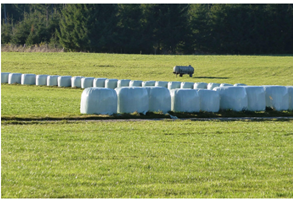
Producing quality silage depends on more than harvesting and storing forage correctly. The right bale wrap helps create the airtight conditions needed to protect baled forage from oxygen, moisture, sunlight and changing Australian weather. For farmers, contractors and livestock producers, choosing a high-tack film with reliable stretch, adhesion and UV resistance can make a significant difference to bale protection.
From hot, dry conditions in inland regions to wet, changeable weather in southern states, agricultural film must withstand demanding storage conditions. Understanding UV stabilisation, weatherproofing and film performance can help you select the right solution for your operation.
Why High-Tack Bale Wrap Matters
Silage preservation relies on limiting oxygen exposure around the bale. When the plastic layers adhere properly, they form a tighter barrier that helps reduce the risk of air entering through gaps or loose overlaps.
A high-tack bale wrap is designed to maintain strong adhesion between layers. This is particularly useful during handling, transportation, and outdoor storage, where poorly sealed film can become damaged or separated.
Quality film should also stretch consistently without becoming excessively thin or tearing during application. Correct wrapping technique remains essential, but reliable film gives operators a stronger foundation for effective bale protection.
UV Protection for Australian Conditions
Australian agriculture presents significant challenges for plastic products stored outdoors. Prolonged exposure to sunlight can degrade agricultural films over time, potentially affecting their strength and protective performance.
This is where UV-stabilized bale film becomes important. UV stabilisers are incorporated into the film to help it withstand ultraviolet radiation during its intended outdoor storage period.
The required level of UV protection depends on factors such as climate, storage duration and local conditions. Farmers should therefore discuss expected storage conditions with their supplier rather than assuming that every film provides the same level of protection.
Weatherproofing and Film Performance
A dependable bale wrap must withstand more than sunlight. Rain, wind, temperature changes, handling, and storage conditions can all stress wrapped bales.
When comparing agricultural films, consider:
● Tack and adhesion: Helps layers stay securely bonded.
● Stretch performance: Supports consistent wrapping and coverage.
● Puncture and tear resistance: Helps withstand handling and field conditions.
● UV stabilisation: Protects during outdoor storage.
● Consistent thickness: Helps deliver predictable performance across the roll.
Choosing Agricultural Stretch Film
Select agricultural stretch film packaging based on the wrapping equipment, bale type, and expected storage environment. Film compatibility with the wrapper is important because incorrect tension or application can affect coverage and create weak points.
It is also worth considering how bales will be handled after wrapping. Rough transportation, stacking and movement can expose the film to additional stress, making durability an important consideration.
Finding a Silage Wrap Supplier in Australia
Working with an experienced silage wrap supplier Australia that farmers can rely on makes it easier to assess film specifications before purchasing. A reputable supplier should be able to explain the film’s intended application, UV characteristics, recommended storage conditions and compatibility with common wrapping equipment.
Rather than choosing based on price alone, compare the film’s technical characteristics and suitability for your operating conditions. The cheapest roll may not provide the performance required for extended outdoor storage.
Best Practices for Wrapped Bale Storage
Even high-quality bale wrap can be compromised by poor storage practices. After wrapping, inspect bales for visible punctures, tears or areas where the film has become loose.
Keep wrapped bales away from sharp objects, monitor stored silage regularly, and repair any damage promptly with appropriate agricultural repair tape. Where possible, choose a storage location that reduces exposure to unnecessary physical damage.
Conclusion
Choosing suitable bale wrap is an important part of protecting silage throughout storage. High-tack adhesion, UV stabilisation, durability and weather resistance all contribute to dependable bale protection in Australia’s varied agricultural conditions.
Before ordering, speak with a knowledgeable silage wrap supplier that Australian farmers trust and match the film to your wrapper, storage period, and local climate. Contact a reputable agricultural film supplier to discuss the right specification for your silage operation.
—
Frequently Asked Questions
1. What is bale wrap used for?
Bale wrap encloses silage bales and creates a sealed environment that helps protect forage from oxygen, moisture, and external conditions.
2. Why is UV stabilisation important?
UV stabilisation helps agricultural film resist degradation from ultraviolet radiation during outdoor storage.
3. What makes high-tack silage film different?
High-tack film provides strong adhesion between overlapping layers, helping maintain a secure seal around the bale.
4. How should I choose agricultural stretch film?
Consider your wrapper, bale size, expected storage duration, climate, handling requirements and the film’s UV and durability specifications.
5. Can wrapped silage bales be stored outdoors?
Yes, silage bales can be stored outdoors when the film suits the expected conditions and the bales are protected from unnecessary physical damage.