Stockinette Bags Australia: Choosing the Right Packaging for Produce, Meat, and Industrial Use is a critical consideration for farmers, wholesalers, and logistics operators across the country. In Australia’s agricultural and horticultural sectors, efficient packaging is essential to maintaining product quality, reducing waste, and improving transport handling. One of the most versatile and widely used solutions is the stockinette bags, known for its breathability, flexibility, and cost-effectiveness.
Across farms, packing sheds, and distribution centres, stockinette bags are commonly used for onions, citrus fruits, root vegetables, and even meat hanging applications in abattoirs. Their knitted mesh structure allows airflow while providing enough containment strength to protect goods during storage and transport. This balance of protection and ventilation is especially important across Australia’s varied climate, from humid Queensland regions to dry inland agricultural zones.
As supply chains become more efficiency-driven, demand for reliable packaging materials continues to rise, making stockinette-based solutions a staple in modern Australian logistics.
What Are Stockinette Bags and Why They Matter in Australian Supply Chains
In simple terms, stockinette bags are tubular knitted mesh sleeves made from polyethylene or cotton blends, designed to hold produce or goods securely while allowing airflow. In Australia, they are widely used in agriculture due to their adaptability and low unit cost.
The first major advantage of stockinette bags is ventilation. Fresh produce such as onions, garlic, and citrus requires airflow to prevent moisture buildup and premature spoilage. The open-knit structure of these bags significantly reduces condensation during transport across long Australian freight routes.
Secondly, they offer flexibility in sizing and load capacity. From small farm pack sizes to bulk commercial rolls, stockinette material can be cut and tied to suit different operational needs. This makes them especially valuable for Australian growers who supply both domestic supermarkets and export markets.
Finally, stockinette packaging is lightweight, which helps reduce shipping costs—an important factor given Australia’s long-distance logistics networks.
Key Applications of Stockinette Bags in Australia’s Agriculture and Industry
One reason stockinette bags are widely adopted in Australia is their versatility across multiple industries. In agriculture, they are most commonly used for harvesting and packaging onions, potatoes, and citrus fruits. Farmers prefer them because they are easy to fill in the field and can withstand stacking during transport.
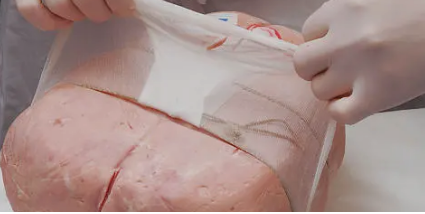
In meat processing facilities, stockinette sleeves are used to encase large cuts of meat during curing, smoking, or hanging processes. The breathable structure helps maintain airflow while keeping products clean and properly shaped.
Beyond agriculture, Australian seafood exporters also use stockinette material to store and transport shellfish and similar products that require ventilation and drainage.
Another growing application is in landscaping and nursery operations, where stockinette bags are used to protect root balls during plant transport. This helps ensure plants remain intact and hydrated during movement between regions such as New South Wales, Victoria, and Western Australia.
The adaptability of these bags makes them a core packaging material across multiple Australian supply chains.
How to Choose the Right Stockinette Bags for Your Business Needs
When selecting packaging solutions, Australian businesses should consider several factors to ensure they are getting the most value and efficiency from stockinette materials.
The first factor is mesh density. Finer-mesh stockinette bags are better suited for smaller produce or items that require extra protection, while wider-mesh types allow greater airflow and are ideal for bulk agricultural goods.
Material choice is also important. Polyethylene stockinette offers higher durability and moisture resistance, making it suitable for long-distance transport across Australia’s interstate logistics routes. Cotton variants, while less common today, are still used in niche food and artisanal applications.
Load capacity should not be overlooked. Overfilling can compromise the integrity of the bag during handling, especially in automated packing systems used in large Australian distribution centres.
At this stage, many suppliers recommend evaluating how stockinette bags will integrate with existing packaging machinery or manual packing processes to ensure efficiency and reduce downtime.
Environmental Considerations and Sustainability Trends in Australia
Sustainability has become a major focus in Australia’s packaging industry, and stockinette bags are part of this evolving conversation. While traditional plastic-based options are widely used for their durability and cost-effectiveness, there is growing interest in recyclable and reusable alternatives.
Some Australian producers are exploring biodegradable polymers and recycled materials to reduce environmental impact. These innovations are particularly relevant for exporters who must meet strict international packaging standards.
Reusable stockinette options are also gaining traction in closed-loop agricultural systems, where packaging is collected, cleaned, and reused across multiple harvest cycles. This approach reduces waste and aligns with Australia’s broader sustainability goals.
As regulatory pressure increases and consumer demand for eco-friendly packaging grows, stockinette solutions are expected to evolve further in design and material composition.
Where to Source Stockinette Bags in Australia and Market Outlook
The Australian market for agricultural packaging is highly competitive, with suppliers offering a wide range of stockinette products tailored to farming, food processing, and industrial needs. Businesses typically source these materials through agricultural wholesalers, packaging distributors, and direct import channels.
When purchasing stockinette bags, Australian buyers often look for bulk pricing, consistent quality standards, and supply reliability, especially during peak harvest seasons. Local availability is particularly important in regional farming hubs such as Victoria’s Goulburn Valley or Queensland’s Lockyer Valley, where rapid turnaround times are essential.
Looking ahead, demand is expected to remain steady due to continued growth in food production, export agriculture, and cold-chain logistics. Innovations in material strength and sustainability will likely shape the next generation of stockinette packaging solutions in Australia.