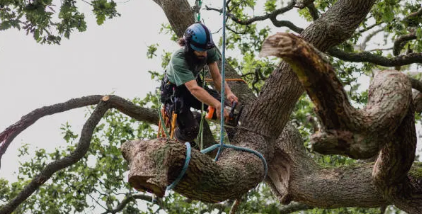
If you’re a homeowner dealing with overgrown, storm-damaged, or hazardous trees, understanding tree removal Adelaide Hills services is essential before taking action. The Adelaide Hills region is known for its beautiful but dense vegetation, steep blocks, and protected landscapes—meaning tree removal is rarely as simple as cutting and clearing. Regulations, terrain, and environmental considerations all play a role in how removal is carried out safely and legally.
In this guide, we break down everything you need to know about tree removal Adelaide Hills, including costs, council permits, safety concerns, and how to choose a qualified arborist who understands local conditions.
Why Tree Removal in Adelaide Hills Is Different
The Adelaide Hills is not like standard suburban environments. Properties often sit on sloped land, near bushfire-prone zones, or within heritage and conservation overlays. This makes tree management more complex than in flatter metropolitan areas.
In many cases, tree removal Adelaide Hills requires assessment under local council regulations, especially for significant or native trees. Factors such as trunk diameter, species type, and proximity to structures determine whether approval is needed before removal can proceed.
Common Reasons for Tree Removal
Homeowners in the Adelaide Hills typically request tree removal for several key reasons:
● Storm damage or structural instability
● Root interference with foundations, driveways, or plumbing
● Bushfire risk reduction (defensible space compliance)
● Disease, decay, or pest infestation
● Overcrowding in landscaped or forested blocks
In many cases, arborists recommend pruning instead of removal. However, when safety risks are high, full removal becomes the only viable option.
Council Permits and Regulations
One of the most important aspects of tree removal Adelaide Hills is compliance with local council rules. Councils such as Adelaide Hills Council regulate the removal of regulated or significant trees.
A tree may require approval if it:
● Exceeds a certain trunk circumference
● Is classified as a significant or regulated species
● Is located within protected environmental zones
Failure to obtain approval can result in fines or legal issues. A qualified arborist will usually assist with permit applications, including arborist reports and risk assessments.
Cost Factors for Tree Removal
The cost of tree removal in the Adelaide Hills varies widely depending on several conditions:
● Tree height and trunk diameter
● Accessibility (steep slopes or tight access increases cost)
● Proximity to buildings or power lines
● Risk level and complexity of dismantling
● Stump grinding requirements
● Waste removal and cleanup
On average, small tree removals may start at a few hundred dollars, while large or hazardous trees can run into several thousand dollars. Because terrain plays such a major role in the Adelaide Hills, pricing is often higher than in standard suburban areas.
For accurate pricing, arborists typically conduct on-site inspections before quoting.
Safety Considerations You Shouldn’t Ignore
Tree removal is a high-risk task, particularly in hilly regions. Improper removal can lead to property damage, injury, or even pose a bushfire hazard if debris is not handled correctly.
Professional arborists use:
● Rigging systems for controlled dismantling
● Chainsaw safety techniques
● Heavy machinery for large removals
● Personal protective equipment (PPE)
● Emergency contingency planning
Attempting DIY tree removal is strongly discouraged, especially for large or unstable trees.
Choosing the Right Arborist in Adelaide Hills
Selecting the right professional for tree removal Adelaide Hills is crucial. Look for:
● Certification (AQF Level 3 Arborist or higher)
● Full insurance coverage (public liability and workers’ comp)
● Local experience with Adelaide Hills terrain and council rules
● Positive reviews and proven safety record
● Transparent quoting and site inspection process
A reliable arborist will also provide guidance on whether removal is necessary or if pruning and maintenance could solve the issue more cost-effectively.
Environmental Responsibility and Tree Replacement
Tree removal in the Adelaide Hills often comes with environmental considerations. Councils may encourage or require replanting after removal, especially for native species.
Responsible arborists may recommend:
● Planting suitable replacement trees
● Retaining habitat trees where safe
● Mulching green waste for reuse
● Minimising disturbance to surrounding vegetation
This ensures that tree management balances safety with environmental preservation.
When Is the Best Time for Tree Removal?
While tree removal can be done year-round, the best timing often depends on weather conditions and urgency. In the Adelaide Hills, late autumn and winter are commonly preferred because:
● Trees are less dense with foliage
● Ground conditions are more stable (in many cases)
● Bushfire risk is lower
● Arborists have more scheduling availability
However, hazardous trees should always be removed immediately, regardless of season.
Final Thoughts
Managing trees in a hilly, regulated, and environmentally sensitive region requires careful planning and professional expertise. Whether you’re dealing with storm damage, safety risks, or property development, understanding tree removal Adelaide Hills services helps you make informed and compliant decisions.
From permits and costs to safety practices and arborist selection, every step matters in ensuring the job is completed safely and legally. If you’re unsure, the best first step is always a professional site assessment from a qualified local arborist.