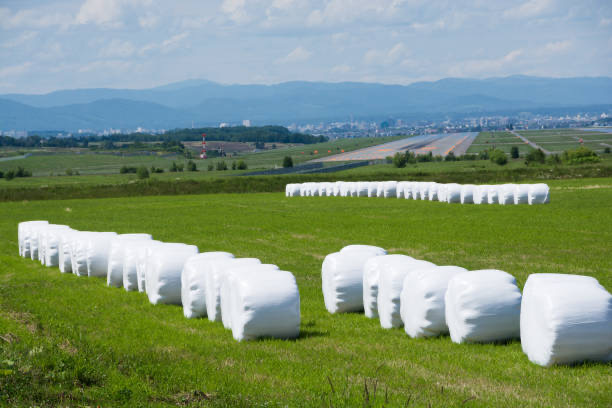
Silage film is an essential tool for preserving fodder quality and ensuring consistent livestock feed throughout the year. However, once it has served its purpose, proper recycling and disposal are crucial to minimise environmental impact and maintain compliance with Australian waste management standards. In a country with a growing focus on sustainability and resource recovery, farmers have more options than ever to responsibly handle used silage film.
Understanding the Environmental Impact
Silage film, while lightweight and highly functional, is made from plastic materials that can take decades to break down if left in the environment. Improper disposal—such as burning or burying—can release harmful toxins, damage soil quality, and contribute to pollution. In Australia, agricultural plastics have been identified as a significant waste stream, and state governments are encouraging recycling initiatives to address the problem.
Preparing Silage Film for Recycling
Before silage film can be recycled, it needs to be properly prepared. Recycling facilities require clean, sorted materials to process efficiently, and contamination from mud, silage residue, or other debris can reduce the quality of recycled plastic.
Here are some best practices for preparation:
- Shake and remove debris: Once the silage is removed, shake off loose materials and dirt.
- Rinse when possible: A quick wash with clean water can remove excess residue.
- Dry before bundling: Moist film can develop mould, making it harder to recycle.
- Roll or bale tightly: Compacting the film reduces storage space and makes transport more efficient.
Farmers can invest in simple on-farm cleaning and baling equipment to streamline this process, making participation in recycling programs easier and more cost-effective.
Recycling Programs Across Australia
In recent years, several programs have emerged to help farmers efficiently recycle used silage film. One of the most notable is drumMUSTER’s partnership with various agricultural plastic recovery initiatives, which offer designated collection points for silage film and other farm plastics.
Some states and councils also work with specialist recycling companies that transform recovered silage film into useful products, such as industrial plastics, fence posts, and construction materials. Farmers can check with local councils or industry groups like Plasback Australia for available drop-off locations and collection schedules.
In regional areas, mobile collection services may also be available, reducing the need for farmers to transport materials long distances. These programs are often cost-shared or subsidised, making participation financially feasible for most operations.
Safe Disposal for Non-Recyclable Film
While recycling is the preferred option, not all silage film can be recovered—especially if it is heavily contaminated or degraded. In such cases, responsible disposal is essential.
Australian guidelines recommend against burning agricultural plastics due to the release of harmful chemicals. Instead, non-recyclable silage film should be taken to approved landfill sites or waste transfer stations. Some facilities offer specific agricultural waste bins to ensure safe and compliant disposal.
To reduce the amount of non-recyclable material, farmers should avoid excessive contamination during use, store unused rolls in dry areas to prevent UV damage, and remove the film promptly after feed-out to limit weathering.
Embracing Sustainable Practices for the Future
Australian agriculture is moving toward more sustainable and circular waste management systems. For silage film, this means not only recycling but also exploring alternatives that reduce overall environmental impact. Biodegradable silage wraps and compostable films are emerging on the market, though they are still under evaluation for durability and performance under Australian conditions.
Industry-led collaborations, such as those between farmer cooperatives and recycling companies, are also expanding. By pooling resources, communities can negotiate better collection rates, invest in shared cleaning equipment, and create localised recycling hubs that reduce transport costs.
The adoption of these practices positions Australian farmers as leaders in environmental stewardship, ensuring that the sector meets both regulatory requirements and public expectations for sustainability.
Final Thoughts
Recycling and disposing of silage film in Australia is no longer just a regulatory obligation—it’s an opportunity to protect the environment, save costs, and enhance the agricultural sector’s reputation for responsible resource management. By understanding the environmental impact, preparing materials correctly, and engaging with available recycling programs, farmers can make a significant contribution to reducing plastic waste.
As the industry moves toward more sustainable solutions, those who adopt best practices today will be better prepared for the environmental standards of tomorrow. With the right approach, every roll of silage film can have a second life—turning what was once waste into a valuable resource for the future.