In the expansive and diverse agricultural landscape of Australia, farmers constantly seek ways to optimise their operations — balancing costs, efficiency, and product quality. Among the many decisions they face, selecting the right net wrap for baling hay and silage is crucial. While premium net wrap options often come with a higher upfront price tag, the question remains: does the investment truly pay off in the long run for Australian farmers? This article delves into the cost-benefit analysis of premium net wrap, highlighting the unique factors that influence this decision across Australia’s large-scale farms and varying climates.
Understanding Net Wrap and Its Role in Australian Agriculture
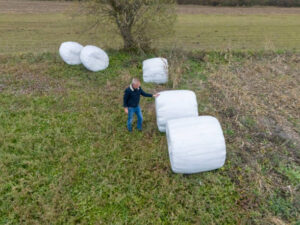
Net wrap is a plastic mesh used to secure and protect baled forage, replacing traditional twine in many applications. Its purpose is to hold bales tightly, prevent spoilage, reduce hay loss, and facilitate easier handling and transport. In Australia’s agriculture sector—dominated by extensive cattle grazing and hay production—net wrap plays a pivotal role in preserving feed quality, especially in regions prone to extreme weather.
Premium net wrap differs from standard varieties mainly in material strength, UV resistance, and elasticity. These features are designed to offer longer-lasting protection and better bale integrity. But does this superiority justify its price?
The Upfront Cost: Premium vs Standard Net Wrap Pricing in Australia
Australian farmers often face a dilemma: standard net wrap can cost anywhere from 15% to 40% less than premium options. Given tight farm budgets and fluctuating commodity prices, the initial cost is a significant factor. For large-scale operations where thousands of bales are wrapped annually, this difference can add up to thousands of dollars.
However, it’s important to evaluate net wrap price purely as a starting point, not the final consideration. The full cost picture includes labour, bale preservation, equipment wear and tear, and potential feed losses.
Durability and Bale Integrity: Premium Net Wrap’s Key Advantages
One of the main advantages of premium net wrap in Australia is its enhanced durability. Its resistance to tearing and UV degradation means it performs better under harsh sunlight, rain, and fluctuating temperatures—conditions common in Australian farming regions like Queensland, New South Wales, and Western Australia.
Premium net wrap’s superior elasticity also allows for tighter bale wrapping. This tighter wrap minimises bale deformation during handling and transport, reducing damage and feed loss. For farmers, this means more feed quality preserved from field to storage, which can translate directly into cost savings and improved livestock nutrition.
Reduced Labour and Equipment Costs
Using premium net wrap can also reduce labour costs and machinery downtime. Because premium net wrap is less prone to tearing or jamming in balers, farmers spend less time dealing with machine stoppages or rewrapping damaged bales. This efficiency is particularly important during peak harvest seasons when time is critical.
Fewer machine repairs and less frequent blade replacements due to smooth net wrap operation contribute further to long-term savings, helping offset the higher initial investment.
Environmental and Waste Management Considerations
In Australia, where environmental stewardship is increasingly important, premium net wrap often offers better recyclability and produces less waste due to its durability. Using a higher-quality wrap reduces the number of discarded rolls and damaged bales, decreasing plastic waste on farms and in landfills.
Additionally, better bale protection helps reduce spoilage, meaning less organic waste. These environmental benefits align with Australia’s sustainable farming initiatives and can enhance a farm’s reputation in the marketplace.
Regional Factors: Climate and Crop Type Matter
The cost-benefit balance of premium net wrap depends heavily on local factors such as climate and crop type. In regions with intense sun exposure or heavy rainfall, the extra UV resistance and moisture protection of premium net wrap can be invaluable. Conversely, in more temperate areas or during shorter hay seasons, the benefits may be less pronounced.
Similarly, the type of forage impacts net wrap performance. For example, high-moisture silage requires more durable wrapping to prevent spoilage compared to dry hay. Australian farmers growing mixed forage types should consider these factors when selecting net wrap.
Economic Impact: Long-Term Value vs. Short-Term Savings
While the upfront cost of premium net wrap is higher, many Australian farmers find its long-term value compelling. Studies and field reports have demonstrated reduced hay losses, lower machinery maintenance costs, and less labour downtime. When these savings accumulate over multiple seasons, they often surpass the initial price difference.
For farms operating in highly competitive markets or exporting feed products, the enhanced bale appearance and quality protection that premium net wrap offers can also command higher prices or customer satisfaction.
Conclusion: Making the Right Net Wrap Choice for Australian Farms
Deciding whether premium net wrap is worth the investment comes down to weighing immediate costs against tangible long-term benefits. For many Australian farmers, especially those with large-scale, high-output operations exposed to challenging weather conditions, premium net wrap delivers measurable advantages in durability, efficiency, and feed preservation.
However, smaller farms or those in milder climates may find standard net wrap a more cost-effective option. Ultimately, a tailored approach—considering farm size, climate, forage type, and operational priorities—will yield the best outcome.
Investing wisely in net wrap can help Australian farmers protect their valuable forage assets, improve operational efficiency, and enhance sustainability, ensuring a stronger bottom-line year after year.
If you’re a farmer considering your options, assessing your specific conditions and running a detailed cost-benefit analysis can help you decide if premium net wrap is the right choice for your farm’s success.