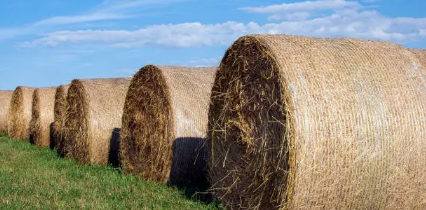
For Australian farmers, preserving hay and silage efficiently is crucial to maintaining livestock health and maximising farm productivity. One of the most effective tools available is net wrap. Net wrap has revolutionised the baling process, offering a faster, cleaner, and more reliable method for securing bales compared to traditional twine. In this guide, we will explore why net wrap has become essential across Australian farms, the benefits it provides, and how to choose the right product for your region.
Understanding Net Wrap and Its Role in Australian Agriculture
Net wrap is a durable synthetic mesh used to wrap hay or silage bales, protecting the crop from environmental elements while maintaining its shape. Unlike traditional twine, which only holds bales together, net wrap provides full coverage, minimising leaf loss and moisture exposure. In Australia, where hay quality can directly affect livestock performance, using net wrap helps keep feed nutritious for longer.
Australian farmers, particularly in regions such as New South Wales, Victoria, and Queensland, face varied climatic conditions that affect hay storage. Net wrap helps mitigate the risks of rain, wind, and sun exposure, which can degrade feed quality. By providing a tight, secure seal around each bale, net wrap extends shelf life and reduces waste, ultimately saving money and improving farm efficiency.
Advantages of Using Net Wrap Over Traditional Twine
There are several key advantages of using net wrap for hay and silage in Australia:
1. Enhanced Bale Protection: Net wrap offers superior protection against weather and handling damage. It keeps the outer layer of hay intact, reducing leaf loss—a critical factor since leaves contain most of the nutrients.
2. Time Efficiency: Baling with net wrap is faster than using twine. Australian farmers operating on a large scale benefit from reduced baling time, enabling them to cover more ground during tight harvest windows.
3. Improved Bale Density: Net wrap conforms closely to the bale’s surface, resulting in a more uniform and denser bale. This makes storage and transport easier while maximising space in silos and barns.
4. Sustainability: Many net wrap products available in Australia are recyclable or made from recycled materials, helping farms reduce environmental impact. Using net wrap also reduces feed wastage, contributing to more sustainable farm practices.
5. Cost-Effectiveness: Although net wrap may have a higher upfront cost than twine, the reduction in crop loss, faster baling, and longer feed preservation often result in significant long-term savings.
Choosing the Right Net Wrap for Your Farm
Selecting the right net wrap for Australian conditions depends on factors such as crop type, bale size, and local climate. Here are some considerations:
● Crop Type: Alfalfa and clover hay are leafy and more prone to loss, making a thicker, more durable net wrap ideal. For grass hay, standard net wrap often suffices.
● Bale Size: Ensure the net wrap is compatible with your baler. Australian farms use a range of bale sizes, from small square bales to large round bales, so product compatibility is key.
● Climate: In wet regions of Victoria or Queensland, choose net wrap with high UV resistance and water-shedding capabilities. In drier regions, lighter net wrap can be sufficient.
Consulting local suppliers or experienced operators can help determine the best net wrap product for your specific farm needs. Brands popular among Australian farmers often provide recommendations based on region and crop type.
Tips for Using and Storing Net Wrap
Proper handling and storage of net wrap can significantly extend its usability. Here are some practical tips for Australian farms:
● Storage: Keep net wrap rolls in a dry, shaded area to prevent UV degradation and moisture damage.
● Handling: Avoid dragging rolls across rough surfaces, which can tear the material. Use proper lifting techniques to protect the integrity of the wrap.
● Application: Ensure the bale is tightly wrapped with minimal gaps to prevent air or water penetration. Slightly overlapping the edges enhances bale protection.
● Recycling: Check with local recycling facilities for proper disposal of used net wrap to maintain environmental compliance.
The Future of Net Wrap in Australian Agriculture
As Australian agriculture continues to evolve, efficiency and sustainability remain top priorities. Net wrap is increasingly seen as a critical investment for modern farms, supporting both productivity and environmental responsibility. With ongoing innovations in materials, net wrap is becoming stronger, more UV-resistant, and easier to handle, offering even greater benefits to livestock producers.
By adopting net wrap, Australian farmers can reduce feed loss, improve bale quality, and optimise farm operations, regardless of region or production scale. Its combination of protection, efficiency, and sustainability ensures that net wrap remains an indispensable tool for hay and silage preservation nationwide.
Conclusion
For farmers in Australia, choosing the right net wrap can significantly improve the quality and longevity of hay and silage. Its advantages over traditional twine—including better protection, faster baling, and reduced waste—make it an essential component of modern agricultural practices.
By selecting the appropriate net wrap for their crop and climate, handling it correctly, and considering sustainability, Australian farmers can enhance farm productivity and maintain high-quality feed for their livestock year-round.