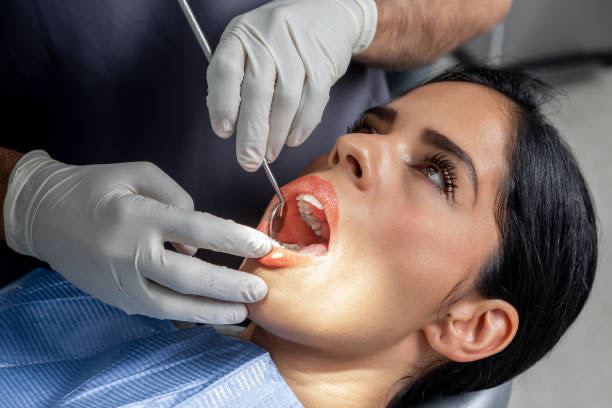
A knocked-out tooth is one of the most urgent dental emergencies you can face. It’s a situation that often happens without warning—during a weekend AFL match in the Adelaide Hills, a bike ride along Glenelg’s coastal trail, or even a mishap in your own kitchen. The shock can leave you frozen, but in dental emergencies, every minute counts. Acting quickly and correctly can be the difference between saving your natural tooth and losing it permanently.
According to experienced clinicians, your best chance of recovery comes from following first-aid steps immediately and getting help from an emergency dentist Adelaide without delay. This guide will walk you through each stage so you know exactly what to do when seconds matter.
Step 1: Stay Calm and Assess the Situation
When your tooth is knocked out, panic is natural—but it’s also counterproductive. The first few minutes after the injury are critical for preserving the tooth’s root and surrounding tissues. Take a deep breath and focus on the task at hand: finding the tooth, protecting it, and getting to a dentist.
In Adelaide, many emergency dental clinics operate extended hours and even have 24/7 hotlines. Calling ahead ensures they’re ready for you as soon as you arrive, cutting down valuable waiting time.
Step 2: Handle the Tooth Correctly
Once you locate the tooth, always pick it up by the crown—the white, chewing surface. Avoid touching the root, as the fragile cells there are essential for reattachment. If there’s visible dirt, gently rinse it with milk or saline solution. Avoid scrubbing, using soap, or rinsing under running water for too long, as these can damage the tissues.
South Australian dental specialists stress that improper handling is one of the biggest reasons a knocked-out tooth can’t be saved. Following this simple precaution can make a dramatic difference.
Step 3: Attempt Reimplantation if Possible
If you feel confident and the person is conscious, try placing the tooth back into its socket. Make sure it’s facing the right way, then bite down gently on gauze or a clean cloth to hold it in position. Immediate reinsertion can greatly improve the chances of long-term survival.
If this isn’t possible—due to pain, swelling, or uncertainty—don’t force it. The priority then becomes keeping the tooth moist until a professional can help.
Step 4: Store the Tooth Safely
When reinsertion can’t be done, place the tooth in a small container with milk, saline, or a commercial tooth-preservation kit if you have one. If none of these are available, tuck the tooth inside your cheek to keep it moist with saliva—just be careful not to swallow it.
Adelaide dentists caution against storing the tooth in plain water for more than a few minutes, as this can damage the delicate root surface cells.
Step 5: Get to an Emergency Dentist Quickly
Time is critical—ideally, you should reach an emergency dentist Adelaide within 30 minutes. The sooner the tooth is treated, the better the prognosis.
Many Adelaide suburbs, such as Norwood, Glenelg, and Prospect, have dental clinics equipped to handle trauma cases. Some offer after-hours services, and several city-based practices provide weekend appointments to cater for unexpected accidents.
Step 6: Follow Aftercare Instructions
Once the tooth is reimplanted, your dentist will likely splint it to the surrounding teeth for stability. Antibiotics may be prescribed, and you’ll be scheduled for follow-up visits to check healing. Avoid chewing on the affected side for at least a week and stick to soft foods during recovery.
If the tooth cannot be saved, your dentist will discuss replacement options, such as implants, bridges, or partial dentures—ensuring both your smile and oral function are restored.
Expert Prevention Tips for Adelaide Residents
- Wear a Custom Mouthguard: Sports like Aussie Rules, rugby, and hockey carry a high risk of dental injury. Many Adelaide dentists offer same-day mouthguard fittings that provide better protection than store-bought versions.
- Be Mindful at Home: Slips in the bathroom or kitchen can cause dental trauma. Simple measures, like non-slip mats, can prevent accidents.
- Know Your Local Clinics: Keep the contact details of your nearest emergency dental provider saved in your phone.
Why Acting Quickly Matters
The root surface cells of a knocked-out tooth start to die within minutes. After about 60 minutes without moisture, the survival rate drops sharply. Adelaide dental experts emphasise that knowing what to do and acting quickly can mean the difference between saving your natural tooth and needing a costly replacement.
Final Thoughts
A knocked-out tooth is one of the few dental injuries where fast, informed action can completely change the outcome. By staying calm, handling the tooth properly, and getting to an emergency dentist Adelaide as quickly as possible, you give yourself the best chance of keeping your natural smile intact.
Remember: accidents are unpredictable, but your response doesn’t have to be. Keep these steps in mind, and you’ll be ready to act confidently if the unexpected happens.