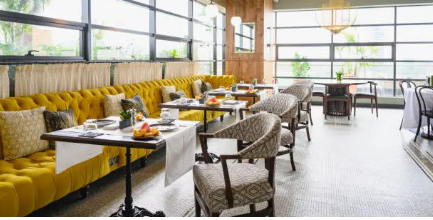
In Adelaide’s evolving residential and hospitality design landscape, space efficiency and comfort are increasingly important priorities. One of the most effective ways to maximise seating capacity without compromising aesthetics is to use banquette seating. This built-in seating style has become especially popular in compact urban homes, inner-city cafés, and boutique restaurants across South Australia for its ability to optimise floor space while creating a tailored, high-end look.
When properly planned, banquette seating can transform underutilised wall areas into functional dining zones that feel both intimate and practical. However, achieving a successful installation requires more than just selecting upholstery and a layout—it demands careful consideration of ergonomics, spatial flow, materials, and local lifestyle needs in Adelaide’s climate and housing styles.
This article explores the key planning considerations to ensure banquette seating delivers both visual impact and long-term usability in Adelaide settings.
Space Planning and Functional Layout Requirements
Effective banquette seating begins with precise spatial planning. Adelaide homes and hospitality venues often vary widely in floorplan constraints, particularly in heritage cottages, apartment conversions, and narrow café footprints found in suburbs like Norwood and Glenelg.
The first step is to determine the available wall length and ensure there is adequate circulation space. A minimum clearance of 900mm in front of the seating is generally recommended to allow comfortable movement for diners and staff. Depth is another critical factor; typical banquette seating ranges from 450mm to 600mm in seat depth, depending on whether the backrests are angled or vertical.
Height alignment with standard dining tables (approximately 720–760mm) must also be maintained to ensure ergonomic consistency. In many Adelaide renovations, designers integrate storage beneath the seating base—particularly useful in compact Torrensville homes where storage is limited.
At this stage, it is also important to consider how natural light enters the space. Positioning seating near windows can enhance the dining experience, but may require UV-resistant upholstery due to South Australia’s strong sunlight exposure.
Material Selection and Durability in Adelaide Conditions
In Adelaide’s Mediterranean climate—characterised by hot, dry summers and mild winters—material selection plays a significant role in long-term durability and comfort. Upholstery choices should balance aesthetics with heat resistance, ease of maintenance, and fading resistance.
High-performance fabrics such as treated polyester blends or commercial-grade vinyl are commonly used in hospitality environments, particularly in high-traffic cafés along Rundle Street and King William Road. These materials resist staining and can withstand frequent cleaning, which is essential in food-service applications.
For residential installations, textured fabrics or performance linens are often preferred for their softer aesthetic. However, cushioning density should not be overlooked. Medium-to-firm foam provides better structural support over time and prevents sagging, especially in households where seating is used daily.
Ventilation and thermal comfort should also be considered. In enclosed dining areas, breathable materials can help reduce heat retention during Adelaide’s summer months, improving overall usability.
In addition, timber framing should be treated to withstand humidity fluctuations, particularly in coastal suburbs such as Semaphore, where salt air can affect untreated wood over time.
Design Integration and Aesthetic Consistency
Beyond function, banquette seating plays a significant role in shaping the interior atmosphere. In Adelaide’s design culture, which often blends heritage architecture with contemporary minimalism, seamless integration is essential.
Colour palettes should complement existing interior finishes. Neutral tones such as beige, soft grey, and muted earth shades are commonly used in modern South Australian homes. At the same time, darker upholstered seating is often chosen for upscale restaurants seeking a more intimate ambience.
Lighting integration is another key consideration. Pendant lighting positioned above seating areas can help define the dining zone, particularly in open-plan homes common in Adelaide suburbs like Prospect and Unley. Wall sconces or recessed lighting can further enhance visual depth without cluttering the space.
A well-designed seating solution should also align with traffic flow patterns. Poor placement can create bottlenecks in both residential kitchens and commercial dining rooms. Designers often use L-shaped or U-shaped configurations to naturally guide movement while maximising seating capacity.
At this stage, customisation becomes critical. Built-in shelving, curved backs, or mixed-material finishes can elevate the design while maintaining practicality.
Installation, Maintenance, and Long-Term Usability
Successful implementation of banquette seating extends beyond design into installation quality and ongoing maintenance planning. In Adelaide’s competitive hospitality sector, durability directly impacts operational efficiency and refurbishment costs.
Proper anchoring to walls and floors is essential to ensure stability, particularly in high-use environments. Professional installation also ensures compliance with local building standards, including fire safety regulations relevant to commercial spaces.
Maintenance planning should be considered from the outset. Removable cushion covers, stain-resistant coatings, and modular construction make cleaning and replacement easier over time. This is especially valuable for cafés and restaurants experiencing high customer turnover.
In residential settings, ease of cleaning becomes equally important for families. Choosing materials that resist dust accumulation and allow quick wipe-downs can significantly improve day-to-day usability.
Ultimately, the longevity of banquette seating depends on how well it was planned for real-world use. When thoughtfully executed, it can remain a durable, attractive feature for many years without requiring major refurbishment.
Conclusion
In Adelaide’s diverse mix of homes, cafés, and restaurants, banquette seating offers a versatile solution for optimising space while enhancing interior design. From careful spatial planning and material selection to aesthetic integration and long-term maintenance, each stage of the design process plays a crucial role in achieving a successful outcome.
When approached strategically, banquette seating not only improves functionality but also elevates the overall experience of a space—making it more inviting, efficient, and visually cohesive within Adelaide’s modern architectural landscape.